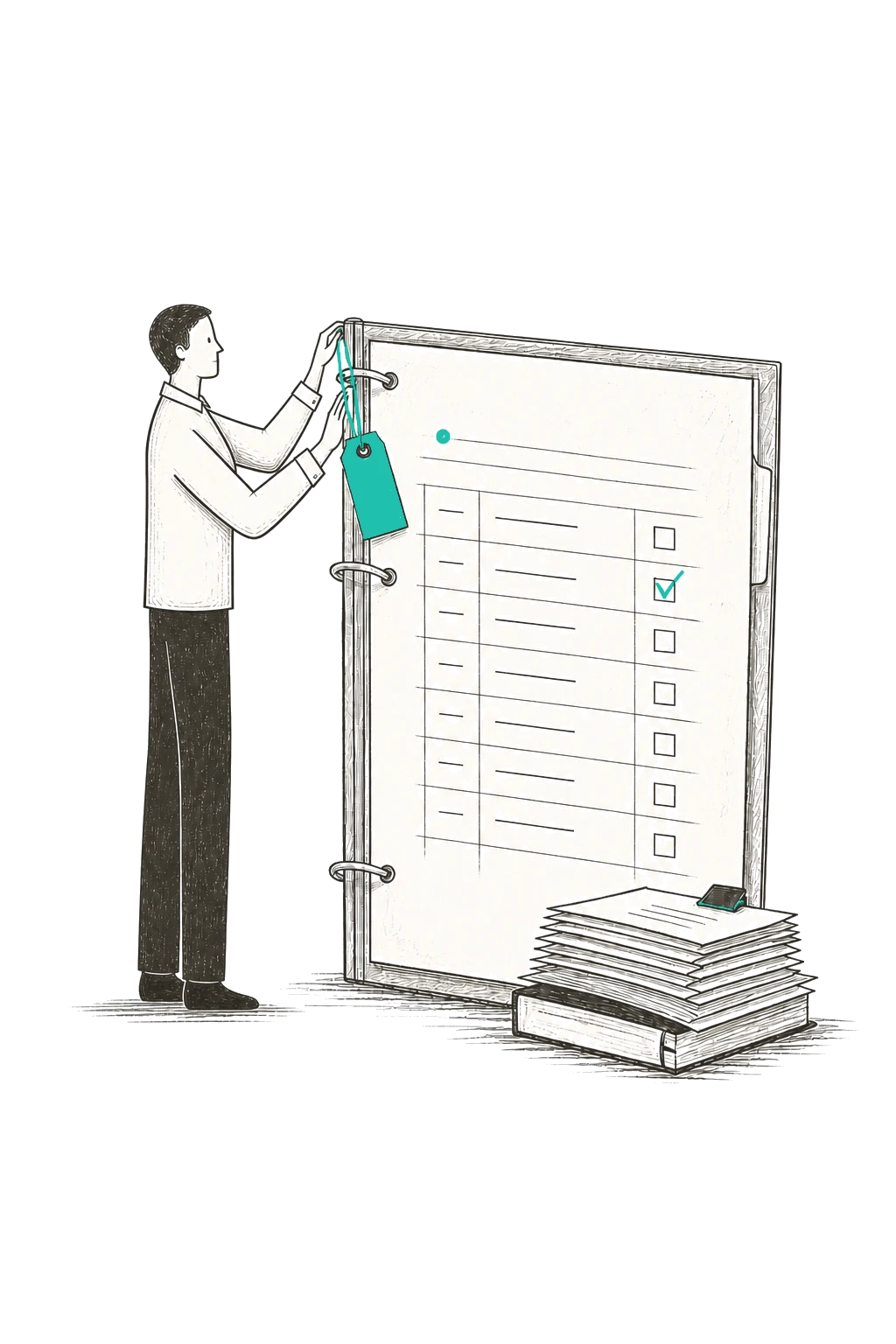
Artificial Intelligence is rapidly transforming how organisations operate, improving productivity, decision-making and customer engagement. However, AI also introduces significant legal, operational, ethical and governance risks. Privacy breaches, biased outcomes, inaccurate information, confidential data leakage and poor oversight can expose organisations to regulatory action, financial loss and reputational damage.
Currently there is a distinct lack of legislation in Australia. However, Ai permeates several areas of business where legal frameworks are now being introduced. These, combined with international experiences in this area have allowed us to measure risk and also consider future exposures given the way technology is moving.
Our expert consultants use Empirical-AI to assess whether an organisation’s AI governance framework is complete, internally consistent and aligned with current legislation, recognised standards and leading governance practices.
Rather than simply identifying AI risks, Empirical-AI helps determine whether the organisation has the governance, policies, controls and operational evidence necessary to demonstrate the safe, lawful and responsible use of Artificial Intelligence.
What Empirical-AI Reviews
Empirical-AI can examine an organisation’s AI governance framework including:
- AI Governance Charter
- AI Policies and Procedures
- AI Acceptable Use Policies
- AI Risk Registers
- AI System Register
- AI Risk Classification Frameworks
- AI Approval Processes
- AI Procurement Policies
- AI Vendor Assessments
- AI Incident Response Plans
- Data Governance Frameworks
- AI Security Controls
- Human Oversight Processes
- AI Disclosure Standards
- AI Training Programs
- AI Monitoring and Audit Procedures
- Functional AI Policies across HR, Finance, IT, Legal, Sales, Operations and Governance
- Board AI Reporting
- AI Compliance Registers
- Policy Review Schedules
- Document Version Controls
The Review Can Assess
- Whether AI governance aligns with current legislation
- Whether AI use is appropriately governed according to risk
- Whether human oversight exists for high-risk AI
- Whether AI systems have clearly assigned ownership
- Whether confidential information is adequately protected
- Whether AI outputs are verified before use
- Whether AI risks are actively monitored
- Whether AI incidents are appropriately managed
- Whether AI vendors meet organisational standards
- Whether AI governance documentation is consistent across the organisation
What Empirical-AI Compares Against
Depending on the organisation, industry and jurisdiction, Empirical-AI may assess AI governance documentation against recognised frameworks and legislation including:
- Privacy Act 1988 (Cth)
- Fair Work Act 2009 (Cth)
- Competition and Consumer Act 2010 (Australian Consumer Law)
- Copyright Act 1968 (Cth)
- Corporations Act 2001 (Cth)
- Security of Critical Infrastructure Act 2018 (Cth)
- Electronic Transactions Act 1999 (Cth)
- Spam Act 2003 (Cth)
- Criminal Code Act 1995 (Cth)
- Australian AI Ethics Principles
- EU AI Act (risk-based governance)
- Emerging international AI governance and disclosure standards
Empirical-AI uses these legislative and governance frameworks as the benchmark for assessing whether AI governance remains current, complete and capable of supporting responsible AI adoption across the organisation.
In Addition to Legislative Compliance, Empirical-AI Can Assess Key AI Governance Measures Such As
- AI Governance Maturity
- AI Policy Coverage
- AI Risk Classification Completion
- High-Risk AI Compliance
- Human Oversight Compliance
- AI Approval Compliance
- AI Incident Rate
- AI Risk Register Status
- AI Vendor Compliance
- AI Training Completion
- AI Disclosure Compliance
- AI Audit Findings
- AI Policy Review Currency
- Data Privacy Compliance
- AI System Documentation Completeness
- AI Model Validation Status
- AI Control Effectiveness
- Regulatory Readiness
- Continuous Improvement Progress
- Overall AI Governance Rating
These measures provide evidence of how effectively AI is being governed throughout the organisation rather than simply confirming that AI technologies have been deployed.
How the Process Works
Detection Phase
Empirical-AI identifies missing AI governance documentation, inconsistent policies, inadequate controls, unapproved AI tools, incomplete AI registers, insufficient human oversight, privacy risks, governance gaps and areas where AI use may no longer align with legislative or organisational requirements.
Enhancement Phase
Our consultants work with the organisation to strengthen its AI governance framework by improving policies, procedures, governance structures, approval processes, training programs, disclosure requirements, monitoring processes and risk controls while simplifying governance wherever practical.
Where appropriate, duplicated documentation can be consolidated into integrated AI governance frameworks that improve consistency and reduce organisational risk.
Continuous AI Governance Phase
One of the most valuable applications of Empirical-AI is enabling AI advisers to become the ongoing custodians of an organisation’s AI governance framework.
Rather than producing a one-off assessment, AI governance documentation can be securely maintained and continuously updated as legislation evolves, new AI technologies emerge and organisational requirements change.
This transforms AI governance from a periodic compliance exercise into a continuous improvement program that enables organisations to confidently adopt AI while maintaining strong governance, accountability and regulatory compliance.
Why It Matters
Most organisations are already using Artificial Intelligence. Far fewer know whether that use is properly governed. Even fewer have confidence that their AI systems, governance processes, policies and operational controls continue to satisfy evolving legal, regulatory and ethical expectations.
Empirical-AI provides evidence-based assurance that an organisation’s AI governance framework is complete, consistent and continuously improving—not simply existing.
What You Get
- AI Governance Assessment Report
- AI Governance Maturity Assessment
- Legislative and Regulatory Gap Analysis
- AI Risk Assessment
- AI Policy and Procedure Review
- AI Governance Framework Review
- AI Vendor Governance Assessment
- Data Governance Assessment
- AI Compliance Summary
- Prioritised Improvement Plan
- Costed Implementation Roadmap
- Executive Presentation
- Ongoing AI Governance Monitoring Reports
- Optional Managed AI Governance Service
- Optional Continuous AI Governance Maintenance by your AI Expert Consultant